
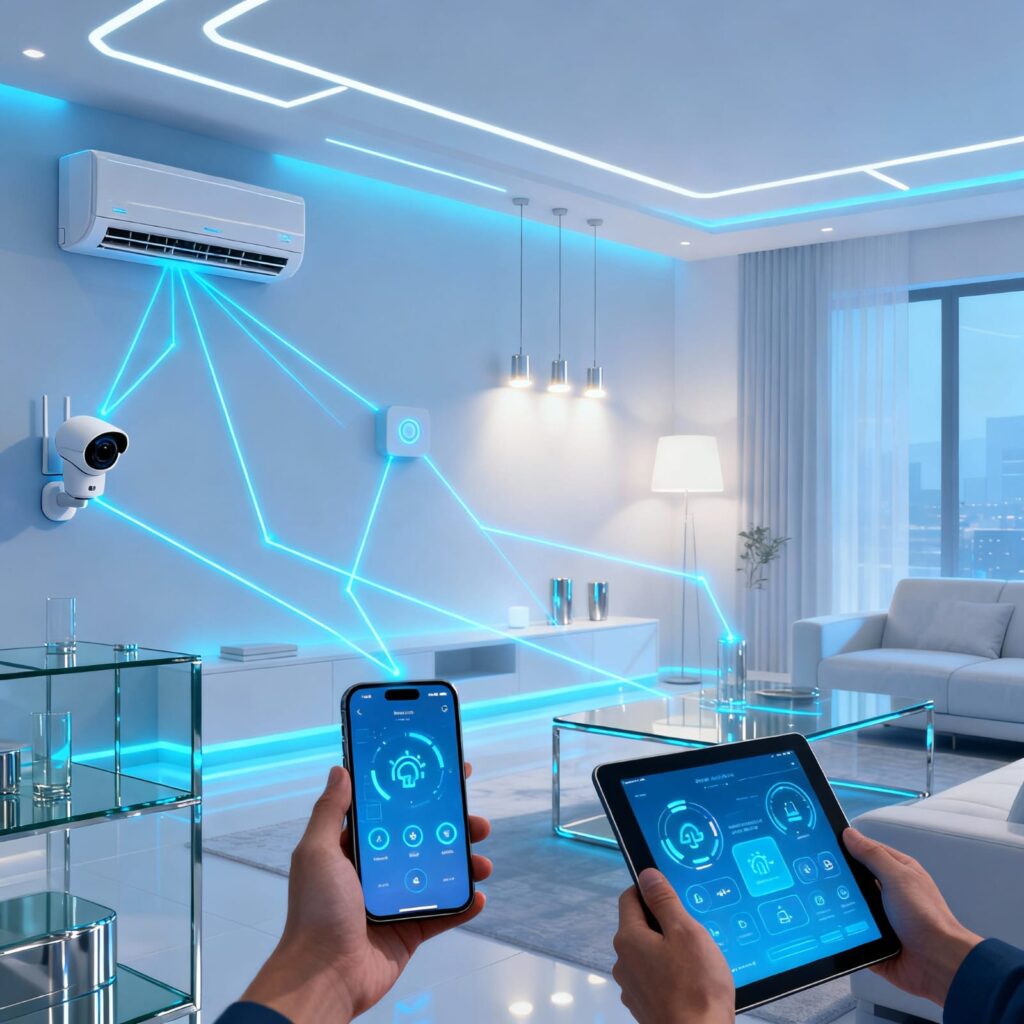
Technology has transformed the way we live, and one of the biggest advancements in recent years is the rise of smart home devices. These gadgets not only make our lives more convenient but also offer something extremely powerful—remote accessibility.
Remote accessibility means being able to control, monitor, and manage your home appliances, security, and systems from anywhere in the world using just your smartphone, tablet, or voice assistant. Whether you’re at the office, on vacation, or simply away from home, remote access ensures that your home is always under your control.
Let’s dive deep into what remote accessibility really means, why it’s important, and how it makes our lives easier.
What is Remote Accessibility in Smart Homes?
Remote accessibility allows you to connect your smart home devices to the internet so you can manage them through an app or voice assistant. From switching off lights to adjusting your air conditioner temperature, everything is at your fingertips—even if you’re miles away.
Example: You left home in a hurry and forgot to turn off the living room lights. With remote accessibility, you can simply open the app on your phone and switch them off instantly.
How Does It Work?
Most smart devices are Wi-Fi enabled and connected to a central app like Google Home, Amazon Alexa, or Apple HomeKit. Once paired, these devices can be controlled through:
- Smartphone apps
- Voice assistants
- Cloud-based systems
So, when you send a command (like “lock the front door”), the app communicates with your device via the internet, ensuring instant action.
Benefits of Remote Accessibility
Convenience Anytime, Anywhere
Forgot to turn off your AC before leaving? No problem. Remote access lets you adjust it even when you’re away. You can also pre-cool or pre-heat your home before you arrive.
Enhanced Home Security
Smart security cameras and doorbells allow you to see who’s at your door in real time, no matter where you are. You can receive instant alerts about unusual activity, giving you peace of mind.
Energy Savings
Remote control of gadgets ensures you don’t waste electricity. For instance, turning off lights, fans, or appliances remotely can lower energy bills and reduce your carbon footprint.
Better Lifestyle Management
You can schedule devices to run at specific times. Imagine your coffee maker brewing fresh coffee at 7 AM automatically, or your robot vacuum cleaning the floor when you’re at work.
Examples of Remote Accessibility in Action
- Smart Lights: Dim or switch off lights from your office if you forgot in the morning.
- Smart Plugs: Control traditional appliances like geysers, fans, or microwaves remotely.
- Smart Door Locks: Lock/unlock your home for guests without sharing physical keys.
- Air Conditioners & Thermostats: Adjust room temperature before you reach home.
- Security Cameras: Monitor kids, pets, or deliveries in real time.
These real-world examples show how remote accessibility simplifies everyday living.
Why Remote Accessibility is Essential in 2025
In today’s fast-paced world, people are busier than ever. Managing a home traditionally can be stressful and time-consuming. Remote accessibility solves this by:
- Saving time
- Increasing safety
- Reducing electricity costs
- Offering comfort at your fingertips
Moreover, with work-from-home and hybrid lifestyles, remote accessibility has become a necessity rather than a luxury.
Challenges and Things to Keep in Mind
While remote accessibility is amazing, here are a few points to consider:
- Internet Dependency: If your Wi-Fi goes down, remote control won’t work.
- Cybersecurity Risks: Always secure your devices with strong passwords.
- Compatibility: Not all devices work together, so choose gadgets that integrate well.
By being aware of these, you can make your smart home secure and reliable.
The Future of Remote Accessibility
Remote accessibility is still evolving. With advancements in AI and IoT (Internet of Things), the future will bring:
- Smarter automation (devices learning your routines).
- Voice-only controls with no apps required.
- Seamless integration of all gadgets in one ecosystem.
Imagine a home that automatically turns on the AC, brews your coffee, and locks the door—all triggered by your location or voice. That’s the direction we’re heading in!
Final Thoughts
Remote accessibility is not just a feature—it’s the backbone of smart homes. It empowers homeowners with convenience, security, and energy efficiency, no matter where they are.
If you’re planning to upgrade your home, start with small devices like smart plugs, lights, or cameras, and gradually move to advanced gadgets like robot vacuums, smart locks, and thermostats.
At CoolShop24, we provide a wide range of the latest smart home devices that make remote accessibility simple and affordable for every household. With the right gadgets, you can take the first step toward a smarter, safer, and more connected lifestyle.