
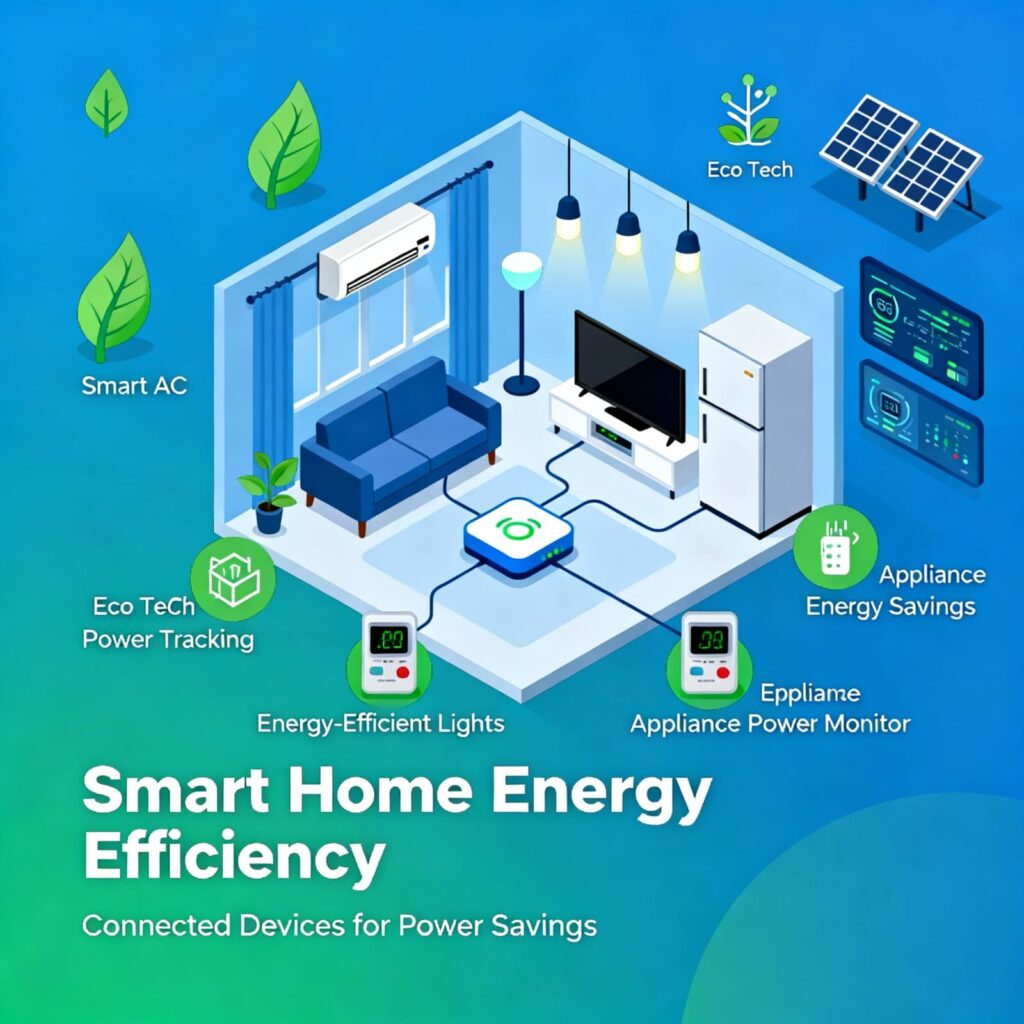
In today’s world, energy efficiency is more than just a trend—it’s a necessity. Rising electricity costs, environmental concerns, and the push for sustainable living have made energy-saving features in smart homes essential. Modern smart devices don’t just offer convenience; they actively help homeowners reduce electricity consumption, lower bills, and contribute to a greener planet.
In this blog, we’ll explore how smart home devices and energy-saving features work, why they matter, and how you can benefit from them.
What Are Energy-Saving Features in Smart Homes?
Energy-saving features refer to the built-in technologies in smart devices that help reduce unnecessary power usage. These features optimize how appliances operate, turning them on or off at the right time, adjusting energy output, or monitoring consumption.
Unlike traditional appliances, which often run at full power regardless of need, smart devices adapt to your lifestyle, ensuring efficiency without compromising comfort.
How Smart Homes Contribute to Energy Efficiency
Smart Lighting
Smart LED lights are one of the easiest ways to save energy at home. They allow you to:
- Schedule on/off times.
- Adjust brightness automatically based on natural light.
- Choose energy-efficient modes for daily use.
Example: Dimmed or timed lights reduce electricity usage by up to 80% compared to traditional bulbs.
Smart Thermostats & AC Controllers
Heating and cooling account for a significant portion of household energy consumption. Smart thermostats and AC controllers learn your schedule and adjust temperatures accordingly.
- Pre-cool or pre-heat only when needed.
- Detect when rooms are empty and lower energy use.
- Optimize energy based on weather conditions.
Result: Reduced electricity bills while maintaining comfort.
Smart Plugs & Outlets
Smart plugs allow you to control appliances remotely and avoid standby power consumption, also known as “phantom load.” Many devices still consume power even when turned off—smart plugs can fully disconnect them.
Benefits:
- Turn off devices you forgot to unplug.
- Schedule appliances to run only when necessary.
- Monitor real-time energy usage per device.
Energy-Monitoring Devices
Some smart devices track energy consumption, giving you insights into how much electricity each appliance uses. Apps often provide:
- Detailed usage reports.
- Recommendations to reduce power consumption.
- Alerts when devices are consuming unusually high energy.
This feature encourages smarter habits, helping you make informed decisions about your energy usage.
Smart Appliances
Modern appliances, from refrigerators to washing machines, now come with energy-saving modes:
- Smart fridges adjust cooling based on usage patterns.
- Washing machines optimize water and electricity per load.
- Smart ovens and air fryers regulate power for faster cooking with less energy.
By using these smart modes, homeowners can significantly reduce electricity bills without compromising convenience.
Automated Schedules & Sensors
Smart homes use motion sensors, light sensors, and occupancy detection to automate energy-saving actions. Examples include:
- Lights turning off when rooms are empty.
- AC adjusting temperature based on presence.
- Blinds or curtains opening/closing to regulate indoor temperature naturally.
These small automated actions add up, saving a noticeable amount of energy over time.
Benefits of Energy-Saving Features
- Reduced Electricity Bills – Smart devices ensure power is only used when needed.
- Environmental Impact – Less energy usage reduces your carbon footprint.
- Convenience – Automation removes the need to constantly monitor appliances.
- Increased Device Lifespan – Efficient usage reduces wear and tear on electronics.
- Real-Time Monitoring – Insight into energy consumption helps identify power-hungry devices.
Practical Tips to Maximize Energy Efficiency
- Start Small: Begin with smart lights or plugs.
- Use Automation: Schedule appliances and lights for optimal energy use.
- Monitor Usage: Check apps regularly to track which devices consume the most energy.
- Integrate Devices: Link lights, thermostats, and plugs for a fully optimized smart home system.
- Upgrade Appliances: Invest in energy-efficient refrigerators, ACs, and washing machines.
Why Energy-Saving Features Matter in 2025
With electricity costs rising every year and the global push for sustainability, energy-saving features are no longer optional—they’re essential. Smart homes that actively reduce energy consumption are:
- Cost-effective: Lower bills mean long-term savings.
- Eco-friendly: Reduced energy consumption contributes to a greener planet.
- Future-ready: Homes equipped with smart energy-saving gadgets are ready for the next generation of automation and AI.
Conclusion
Smart home devices are much more than luxurious gadgets—they are tools for smarter, energy-efficient living. From smart lights and thermostats to energy-monitoring appliances, every device plays a role in reducing electricity consumption while enhancing convenience.
By incorporating these energy-saving features, you not only cut costs but also contribute to a sustainable environment. At CoolShop24, we offer a range of smart home devices designed to maximize comfort, efficiency, and energy savings. Start building your smart, energy-efficient home today and enjoy the perfect balance of technology and sustainability.